


Press Tool: The Power Behind Precision and Performance
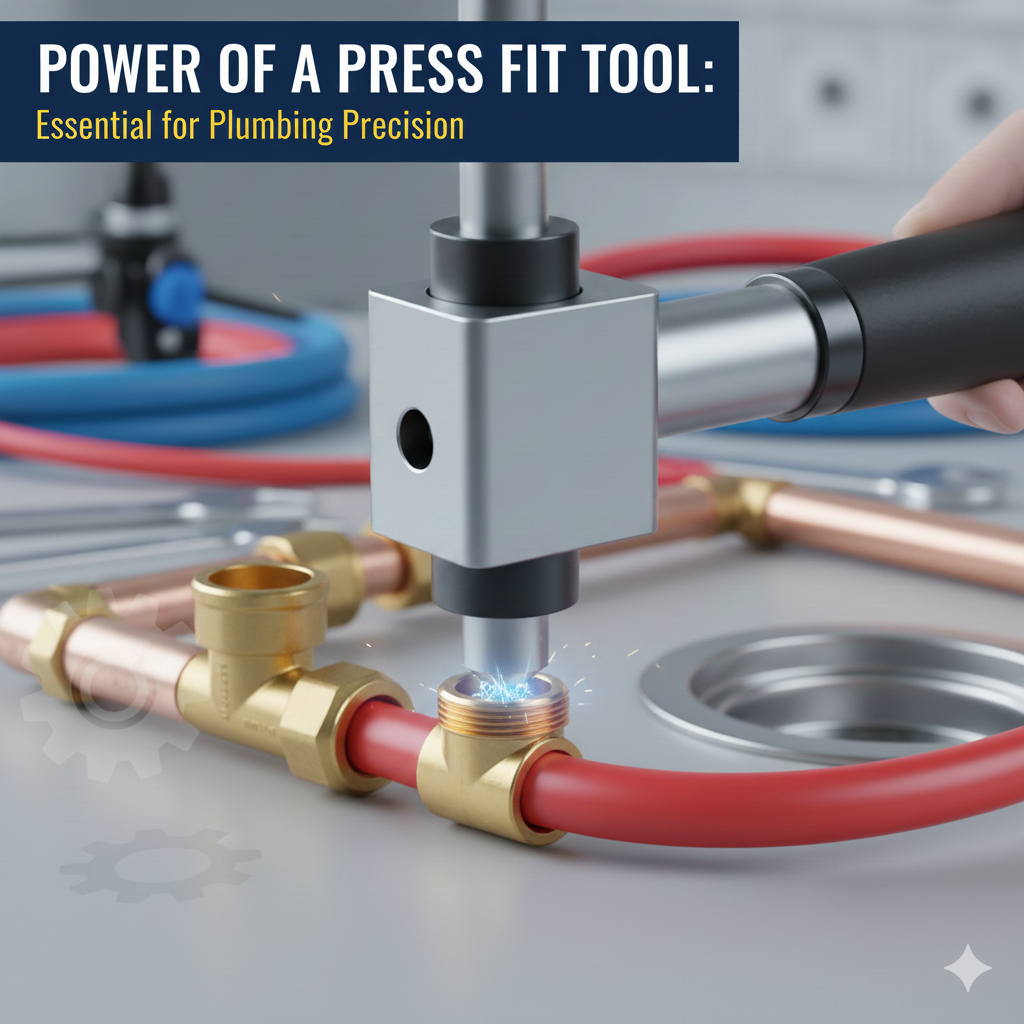
In the world of manufacturing, construction, and mechanical assembly, efficiency often comes down to the quality of the tools being used. Among these essentials, the press tool stands out as a quiet powerhouse—designed to deliver accuracy, strength, and consistency where manual force alone is not enough. Though it may appear simple at first glance, a press tool plays a critical role in shaping, fitting, and securing components across countless industries.
What Is a Press Tool?
A press tool is a mechanical or hydraulic device used to apply controlled pressure to assemble, shape, or remove components. It is commonly used for tasks such as press-fitting bearings, punching metal sheets, crimping connectors, or forming parts into precise shapes. The defining feature of a press tool is its ability to deliver uniform force, ensuring reliable results without damaging materials.
Unlike impact-based tools, press tools work with steady pressure. This makes them ideal for jobs that demand accuracy and structural integrity rather than speed alone.
Why Press Tools Matter in Modern Workflows
Precision is no longer optional in modern production—it is expected. A press tool allows operators to achieve exact tolerances repeatedly, which is essential for quality control. Whether in automotive assembly or electrical installations, even slight misalignment can lead to failure over time.
Another advantage is efficiency. Tasks that would take significant effort or time by hand can be completed smoothly with a press tool. This not only reduces fatigue but also minimizes the risk of errors caused by inconsistent force.
Types of Press Tools and Their Uses
Press tools come in several forms, each suited to specific applications:
-
Manual press tools rely on human force and are ideal for small-scale or precision work.
-
Hydraulic press tools use fluid pressure to generate immense force, making them perfect for heavy-duty industrial tasks.
-
Pneumatic press tools operate with compressed air and are often used in fast-paced production environments.
-
Electric press tools combine power with portability, offering controlled force with minimal effort.
Each type is engineered to balance power, control, and safety depending on the job at hand.
Press Tools in Everyday Industries
The versatility of the press tool makes it indispensable across many sectors. In automotive workshops, press tools are used to install bushings, bearings, and gears with exact alignment. In electrical work, they ensure secure crimping of terminals, which is vital for safety and conductivity.
Metal fabrication relies heavily on press tools for punching holes, bending sheets, and forming components. Even in smaller workshops and DIY environments, compact press tools help achieve professional-grade results without industrial-scale equipment.
Precision, Safety, and Reliability
One of the greatest strengths of a press tool is its contribution to workplace safety. By replacing excessive manual force or makeshift methods, press tools reduce the risk of injury and material damage. Controlled pressure means fewer sudden movements, less strain, and more predictable outcomes.
Reliability is another key factor. A properly maintained press tool can perform the same task thousands of times with consistent results. This dependability is why press tools are trusted in environments where quality standards are strict and downtime is costly.
Choosing the Right Press Tool
Selecting the right press tool depends on several factors: the type of material, required force, workspace size, and frequency of use. Lightweight tasks may only require a manual press, while industrial operations often demand hydraulic or electric models.
Build quality, ease of use, and compatibility with accessories are also important considerations. A well-chosen press tool is not just a purchase—it’s an investment in productivity and precision.
The Future of Press Tools
As technology advances, press tools continue to evolve. Modern designs now include digital controls, force monitoring, and automated settings that enhance accuracy even further. These innovations allow operators to track performance in real time and ensure each press meets exact specifications.
Sustainability is also shaping the future, with manufacturers focusing on energy-efficient systems and durable materials that extend tool lifespan.
Final Thoughts
The press tool may not always be the most visible piece of equipment on the workshop floor, but its impact is undeniable. By delivering controlled power with precision, it bridges the gap between strength and accuracy. From small repairs to large-scale manufacturing, the press tool remains a cornerstone of efficient, high-quality work—proving that true power often lies in control rather than force alone.
For More Blogs: Click Here
Категории
Больше
The immense and growing economic activity that flows through the digital arteries of the internet is most directly measured by the substantial and rapidly expanding Cloud Api Market Size. This global market, which represents the total spending on the platforms, tools, and services used to manage and secure Application Programming Interfaces, is already a multi-billion-dollar industry. More...

The growing popularity of Injection at Home in Dubai has made many patients wonder whether receiving medical treatment outside a hospital is truly safe. With the support of a Doctor at Home, home healthcare services are designed to deliver professional medical care in a comfortable environment. Experts emphasize that when properly administered by trained professionals, home injections...

The Precision Forestry Market is gaining traction as forestry stakeholders seek solutions that enhance productivity, reduce operational costs, and promote environmental sustainability. By incorporating advanced technologies such as LiDAR, drones, satellite imagery, and AI-driven analytics, precision forestry provides highly accurate data for forest management. These insights assist in...

A new growth forecast report titled Pilates & Yoga Studios Market Size, Share, Trend, & Industry Analysis Report By Activity Type (Yoga Classes, Pilates Classes, Pilates & Yoga Accreditation Training, Merchandise Sales), By Region – Market Forecast, 2025–2034 introduced by Polaris Market Research represents conclusive data on the overall market. It majorly...

🌟 A Night of Disco, Nostalgia, and Timeless Hits Music lovers and fans of classic disco are in for an unforgettable experience with The Australian Bee Gees Show at Canterbury League Club. This spectacular tribute concert celebrates the legendary music of the Bee Gees, bringing their iconic sound, style, and energy back to life on stage. Taking place in the club’s vibrant showroom, this...