Hair follicle regeneration has become one of the most exciting frontiers in aesthetic and regenerative medicine. As science shifts from simply managing hair loss to restoring follicular health at a cellular level, innovative biologic therapies are gaining momentum. Among these advancements, Exosomes For Hair stand out as a highly promising solution due to their ability to enhance cellular communication, reduce inflammation, and reactivate weakened follicles. Rather than masking thinning hair, exosome therapy focuses on rebuilding the biological environment necessary for sustained, natural growth.
Understanding Hair Follicle Regeneration:
Hair follicles are complex mini-organs that rely on a delicate balance of cellular signaling, blood supply, and immune regulation to function properly. Each follicle cycles through growth (anagen), transition (catagen), and resting (telogen) phases. When this cycle is disrupted by genetics, hormones, inflammation, or stress, follicles can shrink and produce thinner strands. Regeneration requires more than surface stimulation—it demands targeted biological repair within the follicle’s microenvironment to restore its growth potential and structural integrity.
What Are Exosomes:
Exosomes are nano-sized extracellular vesicles naturally released by stem cells and other cell types. These vesicles act as messengers, transporting proteins, growth factors, lipids, and RNA between cells to coordinate healing and regeneration. In therapeutic applications, exosomes are isolated and purified to concentrate these regenerative signals. Because they are acellular and non-replicating, they enhance existing cellular function without introducing live cells, making them a powerful yet controlled tool in regenerative treatments.
The Power of Cellular Communication:
One of the key reasons exosomes are so effective lies in their ability to restore and amplify cellular communication. Hair follicles depend on coordinated signaling between dermal papilla cells, keratinocytes, and surrounding support structures. When communication weakens, follicle performance declines. Exosome therapy reintroduces molecular instructions that promote cell survival, proliferation, and metabolic activity. This improved signaling environment supports follicular stability and encourages a shift back into active growth phases.
Growth Factor Delivery and Multi-Pathway Activation:
Unlike single-target treatments, exosomes deliver a broad spectrum of bioactive molecules that influence multiple regenerative pathways simultaneously. Their cargo can stimulate angiogenesis, collagen production, and immune modulation all at once. Key regenerative components include:
-
Vascular Endothelial Growth Factor (VEGF) to enhance blood vessel formation
-
Fibroblast Growth Factors (FGFs) to promote cellular proliferation
-
Anti-inflammatory cytokines to reduce scalp irritation
-
Transforming Growth Factor regulators for balanced tissue repair
-
MicroRNAs that influence gene expression related to hair cycling
This multi-layered activation contributes to their powerful regenerative impact.
Anti-Inflammatory and Immune-Modulating Effects:
Chronic inflammation is a major contributor to hair follicle miniaturization, particularly in androgenetic alopecia. Inflammatory mediators can shorten the growth phase and accelerate shedding. Exosomes contain anti-inflammatory molecules that help rebalance the scalp’s immune environment. By reducing oxidative stress and calming inflammatory pathways, they create a more supportive setting for follicles to function optimally and sustain healthy growth cycles.
Stimulating Dermal Papilla Cells:
Dermal papilla cells serve as the command center for hair growth, regulating follicle size and cycling. When these cells lose vitality, strands become thinner and weaker. Exosome-derived signals enhance dermal papilla activity by encouraging cell division and protein synthesis. This stimulation can:
-
Increase follicular diameter
-
Extend the duration of the anagen phase
-
Improve anchoring strength of hair shafts
-
Support keratin production
-
Strengthen overall follicular resilience
Revitalizing these critical cells is central to effective hair follicle regeneration.
Enhancing Scalp Microcirculation:
Healthy hair growth depends on adequate oxygen and nutrient delivery to follicles. Poor microcirculation can deprive follicles of essential resources, leading to thinning over time. Exosome therapy promotes angiogenesis—the formation of new blood vessels—through growth factor signaling. Improved circulation enhances nutrient exchange and supports the metabolic demands of actively growing follicles, further strengthening regenerative outcomes.
Non-Surgical Precision and Targeted Delivery:
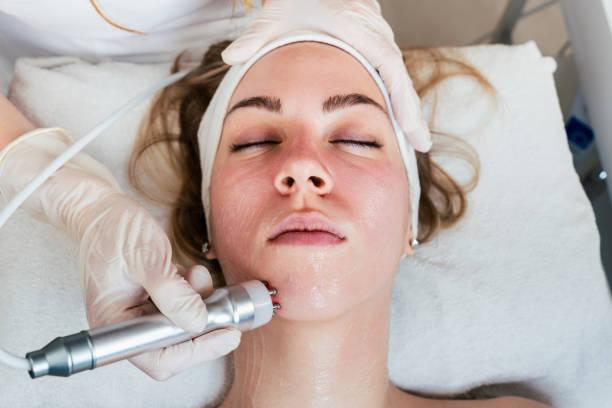
Another factor contributing to the power of exosomes is the precision with which they can be delivered. The therapy is typically administered through fine injections directly into areas of thinning hair. This localized approach ensures concentrated regenerative signaling exactly where it is needed most. Because the treatment is non-surgical, patients benefit from minimal downtime and reduced risk compared to invasive procedures, making it both effective and convenient.
Long-Term Regenerative Potential:
While hair growth is a gradual biological process, exosome therapy aims to support long-term follicular health rather than temporary stimulation. Over several months, patients may observe:
By addressing underlying cellular dysfunction, the therapy contributes to sustained improvements rather than short-lived cosmetic changes.
The Future of Follicle Regeneration:
As regenerative science advances, exosome therapy is positioned to become a cornerstone of modern hair restoration. Ongoing research continues to refine dosing protocols, combination strategies, and delivery systems to maximize effectiveness. With its ability to activate multiple biological pathways simultaneously, exosome therapy reflects a broader shift toward treatments that restore natural function instead of simply compensating for loss.
Final Thoughts:
Exosomes are powerful because they operate at the core of cellular communication and tissue repair, addressing the biological mechanisms that drive hair thinning. Through growth factor delivery, immune modulation, and dermal papilla stimulation, they create an environment where follicles can regenerate and thrive. As research continues to expand, exosome therapy stands at the forefront of regenerative hair medicine, offering a science-backed and minimally invasive path toward stronger, healthier hair.