CoolSculpting Maintenance: Do You Need Touch-Up Treatments?
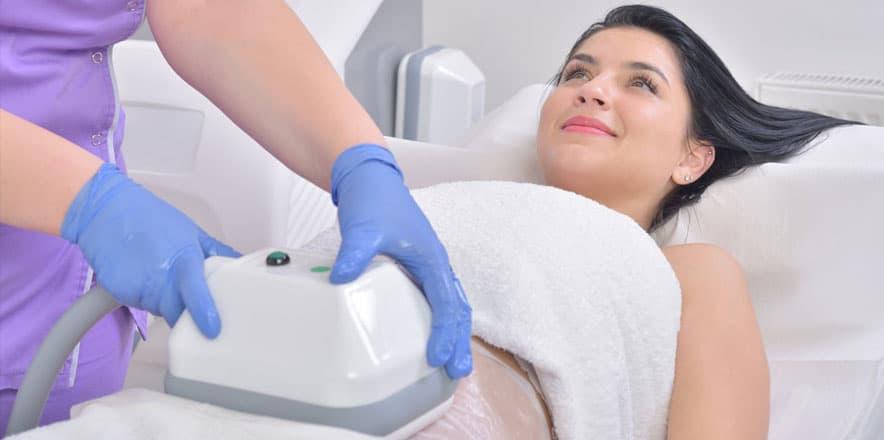
For individuals seeking long-term body contouring results, understanding maintenance after CoolSculpting is essential. As a popular fat freezing treatment, CoolSculpting eliminates targeted fat cells through cryolipolysis, providing gradual, natural-looking results. While the destroyed fat cells do not return, touch-up treatments may sometimes be recommended to maintain optimal contour, address stubborn areas, or enhance initial results. Knowing how maintenance works helps patients set realistic expectations and plan for sustainable outcomes.
How Fat Freezing Treatment Achieves Results:
CoolSculpting uses controlled cooling to target fat cells without affecting surrounding tissues. Key points include:
-
Applicators freeze fat cells, triggering apoptosis (programmed cell death)
-
The body gradually metabolizes and eliminates destroyed fat over weeks
-
Results are localized and permanent in treated areas
-
Focus is on shaping and contouring rather than overall weight loss
Understanding the science behind fat freezing treatment clarifies why ongoing maintenance may be needed in some cases.
Factors Influencing the Need for Touch-Ups:
Several variables determine whether a touch-up session is beneficial. Considerations include:
-
Individual fat distribution and density in treated areas
-
Body weight fluctuations that can create new fat pockets
-
Patient goals for more pronounced contouring
-
Initial response to treatment and symmetry of results
Recognizing these factors allows patients to make informed decisions about additional sessions.
Timing for Maintenance Treatments:
The timing of touch-up treatments is important for maximizing results. Key points include:
-
Most patients wait 6–12 weeks after initial treatment to assess visible changes
-
Additional sessions are scheduled only if desired fat reduction or symmetry requires enhancement
-
Spacing treatments appropriately allows the body to fully metabolize previously treated fat cells
-
Providers can create individualized timelines based on patient goals and areas treated
A clear schedule ensures maintenance is both safe and effective.
Common Areas for Touch-Ups:
Some areas are more likely to benefit from maintenance sessions. Typical zones include:
-
Abdomen and flanks for love handle or stomach contouring
-
Inner and outer thighs for enhanced leg shaping
-
Submental area (double chin) for jawline definition
-
Upper arms and back bra fat for improved silhouette
Targeting these areas strategically helps achieve balanced and aesthetically pleasing results.
Recovery Considerations for Maintenance:
Touch-up sessions have similar recovery expectations to initial treatment. Key points include:
-
Minimal downtime allows immediate return to daily activities
-
Temporary redness, swelling, or tenderness may occur at the treated site
-
Numbness or tingling typically resolves within days to weeks
-
Massage or gentle pressure may be recommended to support fat metabolism
Knowing recovery expectations ensures patients can plan touch-ups around work or personal schedules.
Maximizing Long-Term Results:
Maintenance is most effective when combined with healthy lifestyle habits. Recommendations include:
-
Balanced diet to prevent weight gain and maintain contouring results
-
Regular exercise to tone muscles and support metabolism
-
Hydration to enhance fat elimination and skin quality
-
Avoiding significant weight fluctuations that can create new fat deposits
Integrating lifestyle strategies helps sustain results and reduces the frequency of touch-ups.
Psychological and Aesthetic Benefits:
Regular touch-ups can contribute to both physical and emotional satisfaction. Key points include:
-
Reinforces confidence by maintaining smooth, contoured body lines
-
Encourages commitment to healthy habits and ongoing wellness
-
Provides subtle improvements without the need for invasive procedures
-
Enhances overall satisfaction with body image and appearance
Understanding these benefits highlights why some patients choose periodic maintenance sessions.
Cost and Planning Considerations:
Planning for maintenance includes understanding potential costs and session requirements. Key points include:
-
Costs vary depending on area size and number of touch-ups needed
-
Multiple areas may be combined in one session to optimize convenience
-
Insurance typically does not cover cosmetic treatments, so budgeting is important
-
Providers may offer packages or promotional rates for maintenance sessions
Being informed allows patients to plan financially and schedule treatments effectively.
When Touch-Ups Are Not Necessary:
While some patients benefit from additional sessions, many achieve lasting results without maintenance. Considerations include:
-
Patients with stable weight and good skin elasticity often maintain results long-term
-
Proper initial treatment and individualized planning can reduce the need for touch-ups
-
Lifestyle habits play a critical role in preserving contouring outcomes
-
Periodic evaluation by a provider ensures any necessary touch-ups are timely and appropriate
Understanding when touch-ups are optional helps patients avoid unnecessary procedures.
Final Thoughts:
Fat freezing treatment like CoolSculpting offers long-lasting fat reduction, but touch-up sessions may be recommended for optimal contour, symmetry, or stubborn areas. Maintenance is typically scheduled several weeks after the initial session, with minimal downtime and manageable side effects. Factors such as individual fat distribution, weight stability, and lifestyle habits influence the need for additional treatments. By combining healthy habits with periodic evaluation, patients can enjoy sustained, natural-looking body contouring results while making informed decisions about touch-up treatments.
Categories
Read More
Artificial Flowers Market Overview The artificial flowers market is expanding due to growing demand for low-maintenance and long-lasting decorative solutions. These products are widely used in residential décor, weddings, events, and commercial spaces. Advancements in manufacturing technology have improved realism, texture, and durability, increasing consumer acceptance. Seasonal and...

As per Market Research Future analysis, the Vegan Egg Market Size was estimated at 0.16 USD Billion in 2024. The Vegan Egg industry is projected to grow from USD 0.1701 Billion in 2025 to USD 0.3134 Billion by 2035, exhibiting a compound annual growth rate (CAGR) of 6.3% during the forecast period 2025 – 2035. The market growth reflects evolving consumer preferences, increased...

The Business Software Services Market size reflects the scale of global enterprise digitization. The Business Software Services Market size continues expanding as software becomes foundational to operational efficiency, customer engagement, and innovation strategies. Business Software Services Market was estimated at 597.05 USD Billion in 2024 and is projected to reach 2181.59 USD Billion...
Compassion is the cornerstone of quality caregiving, especially when it comes to Home Care Services in Dubai. As families increasingly seek personalized healthcare solutions, the demand for empathetic and professional support continues to grow. Whether it involves routine assistance or specialized care such as a Doctor at Home visit, compassionate service ensures not only physical well-being...

Whitefield has evolved into one of Bangalore’s most dynamic commercial hubs, home to IT parks, multinational companies, startups, and industrial establishments. In such a fast-paced business environment, uninterrupted and high-speed internet connectivity is no longer optional—it is essential. High-speed leased line services in Whitefield provide dedicated, symmetrical bandwidth that...