

An In-Depth Live Streaming Market Analysis of Trends, Segments, and Competition

A comprehensive Live Streaming Market Analysis reveals a vibrant, hyper-competitive, and rapidly segmenting industry. To understand the market's structure, we can view it through the lens of Porter's Five Forces. The intensity of competitive rivalry is exceptionally high. Tech giants like Google (YouTube), Amazon (Twitch), and Meta (Facebook/Instagram) are locked in a fierce battle for viewership hours and creator loyalty, constantly innovating and offering lucrative incentives. This intense competition benefits creators and viewers but puts immense pressure on platform margins. The threat of new entrants is moderate; while the basic technology is accessible, building a platform that can scale to millions of concurrent users and compete with the network effects of established players requires massive capital investment and brand-building efforts. The bargaining power of buyers (viewers) is high, as they can switch between platforms and creators with zero cost, forcing platforms to provide a compelling and frictionless experience. The bargaining power of suppliers (content creators), especially top-tier influencers and media properties, is also very high. These "anchor tenants" can command exclusive, multi-million-dollar contracts, as their departure can cause a significant migration of their audience to a rival platform.
The market can be segmented across several key dimensions, providing a granular view of its diverse components. The most common segmentation is by content vertical. The video gaming and esports segment remains the largest and most mature, with a dedicated culture and highly developed monetization models. The entertainment vertical, including live music, comedy, and "IRL" (in real life) streaming, is growing rapidly, attracting a broader demographic. The sports vertical is a high-value segment, with leagues and broadcasters using live streaming for direct-to-consumer offerings. Corporate and education represent a burgeoning B2B segment focused on webinars, virtual events, and remote learning. A second critical segmentation is by end-user: individual creators and influencers, who form the long tail of content production; media and entertainment companies, who use streaming for professional broadcasting; and enterprises, who use it for communication and marketing. Finally, the market can be segmented by monetization model, including advertising-based, subscription-based, and transaction-based (e.g., pay-per-view and live commerce) streams, with most major platforms employing a hybrid of all three to maximize revenue potential.
A trend analysis of the live streaming market highlights a clear shift towards mobile-first experiences and the integration of commerce. The "creator-on-the-go" paradigm, powered by powerful smartphones and improving mobile networks, has made mobile streaming a dominant force. Platforms are optimizing their user interfaces and discovery algorithms for vertical video and short-form, spontaneous live content, exemplified by the success of TikTok Live and Instagram Live. This trend is democratizing content creation even further, as it removes the need for a dedicated PC setup. The second, and arguably most impactful, trend is the explosion of live commerce, or social shopping. This involves brands and influencers hosting live streams to demonstrate products, answer questions in real-time, and offer limited-time deals, with integrated purchasing capabilities. This format creates a sense of urgency and social proof, leading to significantly higher conversion rates than traditional e-commerce. It is transforming live streaming from a pure entertainment medium into a powerful sales channel, attracting massive investment from both retail and technology companies.
Another crucial analytical perspective involves examining the challenges and technological responses within the market. One of the most significant challenges is content moderation at scale. The real-time nature of live streaming makes it difficult to prevent the broadcast of harmful, inappropriate, or copyrighted content. In response, platforms are investing heavily in AI-powered moderation tools that can analyze video, audio, and chat in real time to flag or automatically take down policy-violating streams. This is an ongoing technological arms race between platforms and bad actors. Another challenge is ensuring a high-quality, low-latency experience for a global audience. This has driven innovation in video delivery protocols, with a move towards more efficient standards like WebRTC for near-instantaneous interaction. Furthermore, as creators become more sophisticated, they demand better analytics. Platforms are responding by providing increasingly detailed dashboards that track audience demographics, engagement patterns, and revenue sources, empowering creators to make data-driven decisions to grow their channels and optimize their content strategy.
Top Performing Market Insight Reports:
Категории
Больше
Excessively large breasts can place continuous strain on the spine, shoulders, and upper back muscles, leading to poor posture and chronic discomfort. Over time, this imbalance can contribute to slouching, tension headaches, and difficulty engaging in physical activities. Breast reduction surgery in Riyadh (عملية تصغير الصدرفي الرياض) addresses these challenges by removing excess tissue and...

🌟 A Night of Disco, Nostalgia, and Timeless Hits Music lovers and fans of classic disco are in for an unforgettable experience with The Australian Bee Gees Show at Canterbury League Club. This spectacular tribute concert celebrates the legendary music of the Bee Gees, bringing their iconic sound, style, and energy back to life on stage. Taking place in the club’s vibrant showroom, this...

The Footwear Market continues to demonstrate resilient expansion driven by evolving fashion preferences, rising disposable income, and increasing participation in sports and fitness activities worldwide. According to Market Research Future, the Global Footwear Market Size was estimated at USD 390.56 Billion in 2024. The footwear industry is projected to grow from USD 409.31...

The telecommunications sector, long the backbone of global connectivity, is undergoing a profound metamorphosis, driven by the pervasive integration of artificial intelligence. The burgeoning Ai In Telecommunication industry is no longer a futuristic concept but a powerful reality, fundamentally reshaping how telecom operators (telcos) design, manage, and monetize their networks and...

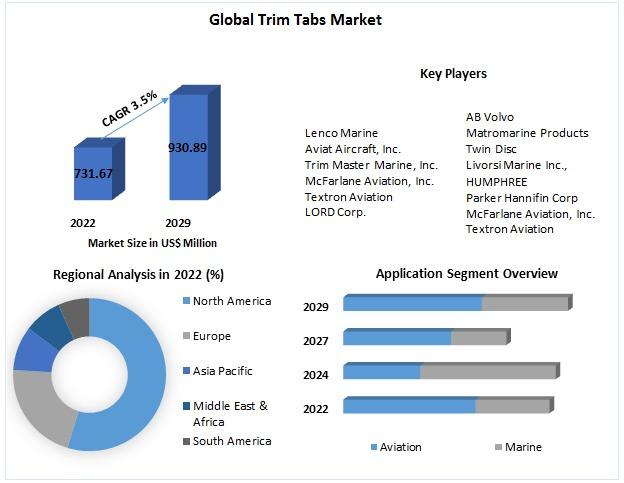
Anticipated Growth in Revenue: The Trim Tabs Market was valued at US$ 731.67 Mn. in 2022. Global Trim Tabs Market size is expected to grow at a CAGR of 3.5 % through the forecast period. Trim Tabs Market Overview The Trim Tabs Market's drivers, restraints, technical advancements, product developments, market opportunities, restrictions, growth strategies, and market...