


The Economics of the Cloud's Foundation: Analyzing the Data Center Construction Market Revenue

The financial model of the global data center construction market is a massive, capital-intensive one, built on large-scale, high-value projects and long-term relationships with a select group of major clients. A detailed analysis of the Data Center Construction Market Revenue reveals that the vast majority of the income is generated through large, project-based contracts. This is a classic construction business model, but at an immense scale and complexity. The revenue is generated by the general contractors, engineering firms, and specialized subcontractors who are hired to design and build the data center facilities. The value of a single, large-scale hyperscale data center construction project can easily run into the hundreds of millions or even exceed a billion dollars. The revenue for the general contractor is the total value of the construction contract, from which they pay their subcontractors and derive their profit margin. The revenue for the design and engineering firms comes from the fees they charge for creating the architectural and engineering plans. Due to the massive and continuous building programs of the hyperscale cloud providers, this project-based revenue stream is currently very large and stable, though it is still subject to the capital expenditure cycles of these major clients.
Within a major construction project, the revenue is distributed among various players based on their role. The general contractor (GC), who manages the overall project, typically captures a fee that is a percentage of the total construction cost. The bulk of the project's value, however, flows through the GC to the specialized subcontractors and equipment vendors. This is where the real costs and revenue lie. A huge portion of the project budget is spent on the critical power and cooling equipment. This creates a massive revenue stream for the manufacturers of generators (like Caterpillar), UPS systems and switchgear (like Schneider Electric and Eaton), and large-scale cooling chillers and air handlers. The specialized electrical and mechanical contractors who install this complex equipment also capture a significant share of the project's revenue. Their work is highly skilled and mission-critical, allowing them to command high labor rates. The revenue model is a complex cascade, starting with the data center owner's capital budget, flowing to the general contractor, and then distributing out to a wide ecosystem of specialized trades and equipment suppliers.
While project-based construction is the primary revenue source, a growing and strategically important revenue stream for the engineering and consulting firms comes from pre-construction services. This includes high-value consulting engagements for site selection, where a firm helps a data center operator to evaluate and choose the optimal location for a new facility based on factors like power availability, network connectivity, and risk. It also includes revenue from conceptual design and master planning for large data center campuses. These upfront consulting and design fees, while smaller than the main construction contract, are highly profitable and strategically vital. The firm that wins the initial design contract is often in a very strong position to be retained for the detailed engineering work for the entire project, creating a long-term, high-value client relationship. This early-stage advisory work is a key part of the revenue model for the leading A/E firms in the market.
Finally, it is important to understand the revenue model of the data center operators themselves, as their financial success is what funds the entire construction market. The two main types of operators have different revenue models. The hyperscale cloud providers (AWS, Azure, GCP) generate their revenue from the pay-as-you-go consumption of their cloud computing services. They build their own data centers as a capital expense to support this core business. The colocation providers (like Equinix and Digital Realty) have a real estate-based revenue model. They build the data center and then generate recurring revenue by leasing out space, power, and connectivity to a large number of enterprise customers. Their revenue is typically based on a recurring monthly fee for a certain amount of cabinet or cage space and a committed amount of power capacity. The health and growth of these two customer segments' revenue models are the ultimate drivers of the capital they have available to invest in new construction, making their financial performance the lead indicator for the health of the entire data center construction market.
Top Trending Reports:
Categorias
Leia Mais
Live music lovers were treated to an unforgettable evening as Annie Z took the stage at the iconic Canterbury League Club. Known for her soulful voice, dynamic stage presence, and versatile musical style, Annie Z delivered a performance that perfectly blended elegance, energy, and crowd engagement. A Versatile Artist with a Powerful Voice Annie Z is a Sydney-based performing and recording...

The demand for health insurance plans and coverage is undergoing a significant transformation, driven by rising healthcare costs and an aging population. An estimated growth trajectory predicts that the Healthcare Insurance Market Size will reach approximately 6,458.38 USD by 2035, showcasing an impressive CAGR of 6.32%. This evolution is not merely a response to market pressures but a...

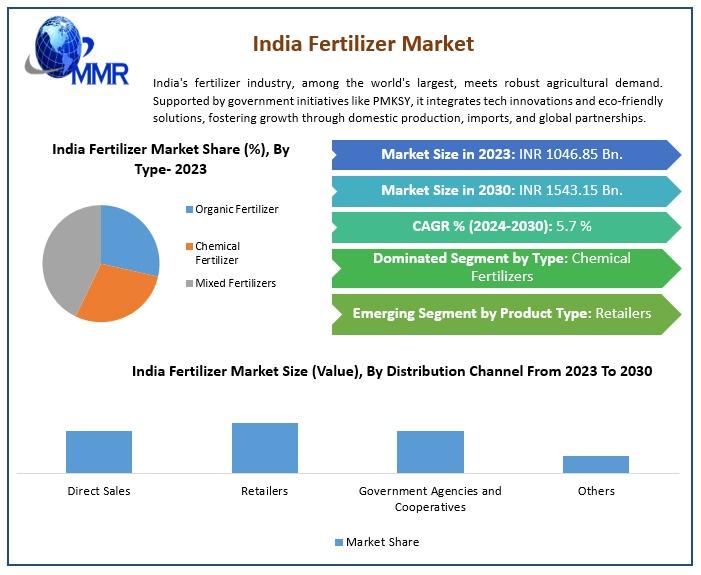
Anticipated Growth in Revenue: The India Fertilizer Market size was valued at at INR 1046.85 Bn. in 2023 and the total India Fertilizer revenue is expected to grow at a CAGR of 5.7% from 2024 to 2030, reaching nearly INR 1543.15 Bn. by 2030. India Fertilizer Market Overview The recent research report by Maximize Market Research presents a India Fertilizer market. The report...
A Full Body Checkup at Home provides a convenient and efficient way to monitor your health without visiting a clinic or hospital. To make the process smooth, accurate, and stress-free, it is helpful to follow a comprehensive checklist. From preparation and sample collection to post-test guidance, being organized ensures that the home checkup delivers precise results and actionable insights for...

The Smart Contracts Market is evolving rapidly as organizations increasingly look for automated solutions that reduce manual intervention and ensure trust in digital transactions. Smart contracts, which are self-executing agreements running on blockchain networks, automatically enforce the terms of a contract when predefined conditions are met. By eliminating intermediaries and streamlining...
