


A Breakdown of the Comprehensive Brain Computer Interface Market Solution Offerings

The modern Brain Computer Interface Market Solution is a complex, multi-component system that integrates hardware, software, and algorithms to translate brain signals into actionable commands. It is not a single product but a complete technological stack, with each layer performing a critical function in the overall process. A comprehensive BCI solution can be broken down into three primary offerings: the signal acquisition hardware, the signal processing and decoding software, and the end-user application itself. The specific nature of each of these components can vary dramatically depending on whether the solution is invasive or non-invasive and what its intended purpose is, be it medical restoration or consumer entertainment. Understanding how these distinct but deeply interconnected solution offerings work together is key to appreciating the technological sophistication and the immense challenge involved in creating a reliable and effective bridge between the human brain and the digital world. The success of any BCI product depends on the seamless integration and high performance of all three of these core components.
The first and most fundamental part of the solution is the Signal Acquisition Hardware. This is the physical device that captures the raw neural data from the brain. For non-invasive solutions, this is typically an Electroencephalography (EEG) headset. The offering can range from a simple, consumer-grade headband with a few dry electrodes (like the Muse headband for meditation) to a high-density, research-grade cap with 64, 128, or even 256 wet, gel-based electrodes that provides much higher spatial resolution. These hardware solutions include the sensors themselves, the amplifiers needed to boost the very weak brain signals, and the analog-to-digital converter that transforms the signals into a digital format that can be sent to a computer, often wirelessly via Bluetooth. For invasive solutions, the hardware offering is far more complex and includes the surgically implanted microelectrode array (e.g., a Utah Array or a Neuralink N1 implant), a small percutaneous pedestal or a fully implanted device for transmitting the data, and the associated surgical tools and procedures. The quality, resolution, and safety of this acquisition hardware are paramount.
The second critical part of the solution is the Signal Processing and Decoding Software. This is the intelligent "brain" of the BCI system itself. This software solution takes the raw, noisy digital stream from the acquisition hardware and performs a series of complex operations on it. The first step is signal processing, which involves applying advanced filters to remove artifacts and noise from the signal (such as muscle movements or electrical interference). The next step is feature extraction, where algorithms identify the specific, meaningful patterns within the cleaned signal (like the power of a specific brainwave frequency). The final and most important step is the decoding, where a machine learning model, which has been trained on the user's specific brain patterns, translates these features into a discrete command (e.g., "move cursor left"). This software solution is often provided as a Software Development Kit (SDK), which allows researchers and application developers to build their own BCI applications without having to develop the complex underlying signal processing and machine learning pipeline from scratch.
The third part of the solution is the End-User Application. This is the software or device that the user is actually controlling with their mind. The BCI system (the hardware and decoding software) acts as an alternative input device, much like a mouse or a keyboard. The application must be specifically designed to be controlled by the limited and often probabilistic outputs of a BCI. For a communication application, this might be a virtual keyboard on a screen where the user can select letters by focusing their attention or performing a specific mental task. For a motor restoration application, this would be the control software for a robotic arm, which takes the decoded commands from the BCI and translates them into movements of the prosthetic joints. For a gaming application, this would be the game itself, which might have its difficulty, music, or environment change in response to the player's detected cognitive or emotional state (e.g., focus or frustration). The design of these BCI-aware applications is a crucial part of the overall solution, as it determines how useful and engaging the technology is for the end-user.
Explore Our Latest Trending Reports:
Категории
Больше
In today’s fast-evolving digital landscape, businesses are increasingly shifting towards cloud-based environments to enhance efficiency, flexibility, and scalability. As organizations adopt advanced applications and store critical data in the cloud, the need for reliable connectivity becomes essential. A strong cloud connection ensures seamless communication between users, systems, and...

Quantifying the Ems And Odm Market Size requires looking beyond headline figures to understand the layers of value creation. According to authoritative data from Ems And Odm Market Size, the global market was valued at approximately $560 billion in 2023 and is projected to reach $820 billion by 2030. However, these numbers include everything from simple cable assembly to complex...

Beyond the established models of streaming and digital downloads, the entertainment and media market is ripe with a host of emerging Entertainment & Media Market Opportunities that are set to redefine how we consume and interact with content. The most immediate and significant of these is the rapid growth of the "creator economy." This represents a fundamental shift in power from...

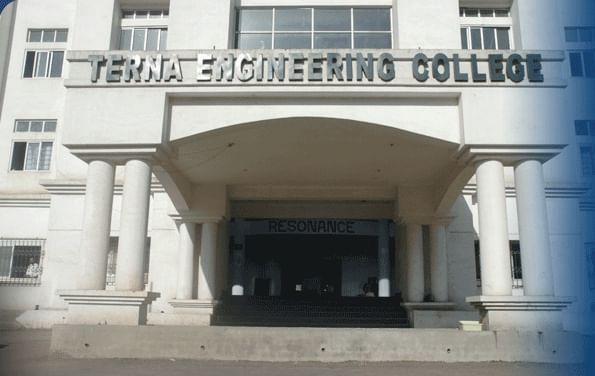
Introduction The Department of Computer Engineering at Terna Engineering College stands as one of the most dynamic and career-oriented departments, offering a strong foundation in computing technologies, software development, and modern digital systems. Established as part of a reputed institution founded in 1991, the department is affiliated with the University of Mumbai and approved by AICTE,...
Christmas Decoration Market Overview The Christmas decoration market is driven by the growing popularity of festive celebrations across both traditional and non-traditional regions. Increasing consumer spending on home décor, commercial displays, and themed events significantly contributes to market growth. Products such as Christmas trees, ornaments, lights, wreaths, and inflatables...
