


Mobility Assistance in Post-Surgical Care at Home: Best Practices
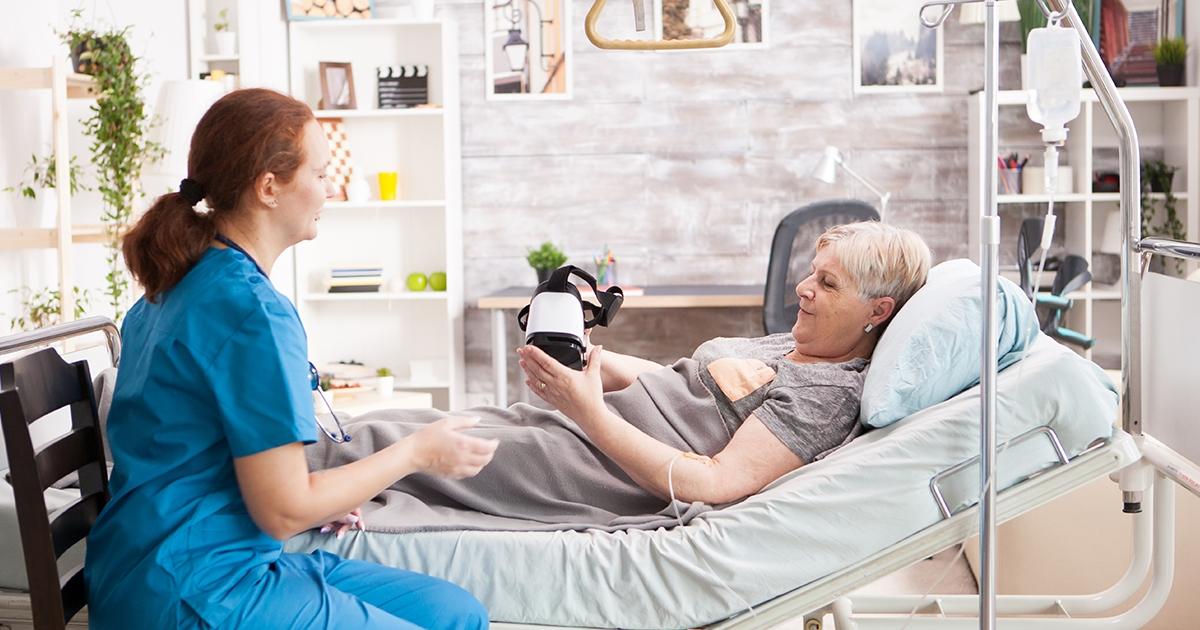
Post operative care at home plays a crucial role in ensuring safe recovery after surgery, and one of the most important aspects of this process is proper mobility assistance, which helps patients regain strength while preventing complications such as blood clots, stiffness, or muscle weakness. Safe movement during recovery must be carefully guided to avoid strain on surgical areas and ensure steady healing progress. In many cases, support from a Doctor at Home service can help families understand safe mobility practices and provide professional guidance when needed. With the right approach, mobility assistance becomes a key factor in improving recovery speed, comfort, and long-term outcomes.
Understanding Mobility Challenges After Surgery:
After surgery, patients often face physical limitations that make movement difficult, painful, or risky, depending on the type of procedure performed. These challenges must be managed carefully to avoid complications and support healing. Common mobility challenges include:
- Weakness and fatigue due to anesthesia and surgery
- Pain or discomfort during movement
- Reduced balance and coordination
- Fear of injury or reopening surgical wounds
Understanding these challenges helps caregivers provide appropriate support during post operative care at home.
Importance of Mobility Assistance in Recovery:
Mobility assistance is essential because it promotes circulation, prevents complications, and supports faster recovery after surgery. Without proper movement, patients may face additional health risks. Key benefits include:
- Improved blood circulation and reduced clot risk
- Prevention of muscle stiffness and joint rigidity
- Faster return to independence and daily activities
- Enhanced respiratory function through light activity
Proper mobility support ensures that recovery progresses safely and effectively.
Safe Movement Techniques for Early Recovery:
In the early stages of recovery, movement must be slow, controlled, and supervised to prevent strain or injury. Patients should avoid sudden or unsupported actions. Safe techniques include:
- Sitting up slowly before standing
- Using support while walking or changing positions
- Avoiding twisting or bending near surgical sites
- Following doctor-approved movement instructions
These precautions ensure that early mobility supports healing instead of disrupting it.
Role of Caregivers in Mobility Support:
Caregivers play a vital role in assisting patients with movement and ensuring safety during daily activities. Their support reduces risks and builds patient confidence. Important responsibilities include:
- Helping patients stand, sit, and walk safely
- Monitoring for dizziness or imbalance
- Ensuring walking paths are clear and hazard-free
- Encouraging gradual independence without pressure
Strong caregiver involvement improves safety and recovery efficiency.
Use of Mobility Aids for Safer Recovery:
Mobility aids are essential tools that help patients move safely and reduce the risk of falls or injuries during recovery. These devices provide stability and confidence. Common mobility aids include:
- Walkers and crutches for balance support
- Wheelchairs for limited mobility stages
- Handrails in bathrooms and recovery areas
- Non-slip mats and supportive footwear
Proper use of these aids ensures safer movement during post operative care at home.
Importance of Gradual Physical Activity:
Gradual physical activity is important for rebuilding strength without putting stress on healing surgical areas. Overexertion can slow recovery or cause complications. Recommended practices include:
- Starting with short, supervised walks
- Increasing movement duration slowly over time
- Taking frequent rest breaks between activities
- Avoiding heavy lifting or strenuous exercise
A gradual approach helps the body adapt and heal effectively.
Pain Management and Its Impact on Mobility:
Pain can significantly limit movement, so effective pain management is essential for encouraging safe mobility during recovery. When pain is controlled, patients move more confidently. Key approaches include:
- Taking prescribed pain medications on schedule
- Using cold or warm compresses if recommended
- Practicing relaxation and breathing techniques
- Reporting uncontrolled pain to healthcare providers
Proper pain control improves willingness and ability to move safely.
Preventing Falls and Injuries at Home:
Fall prevention is a critical part of mobility assistance, as even minor injuries can disrupt recovery. A safe environment is essential for protecting patients. Important safety measures include:
- Removing loose rugs and obstacles from walkways
- Ensuring proper lighting in all rooms
- Keeping essential items within easy reach
- Assisting patients during nighttime movement
These precautions significantly reduce the risk of accidental injuries.
Emotional Support During Mobility Recovery:
Emotional encouragement plays an important role in helping patients regain confidence in their movement abilities after surgery. Fear of pain or injury can limit progress. Support strategies include:
- Encouraging positive reinforcement and motivation
- Reassuring patients during initial movement attempts
- Avoiding pressure or forcing movement
- Celebrating small recovery milestones
Emotional support helps patients stay motivated and engaged in recovery.
When to Seek Professional Assistance:
Despite careful home care, some situations require medical attention to ensure safe recovery and prevent complications. Warning signs include:
- Severe pain during or after movement
- Dizziness or fainting while standing or walking
- Swelling or unusual discomfort in surgical areas
- Difficulty regaining basic mobility over time
In such cases, contacting a healthcare provider or arranging a Doctor at Home visit ensures timely evaluation and safe recovery continuation.
Long-Term Mobility Recovery Goals:
Long-term mobility recovery focuses on restoring full independence and physical strength after surgery through consistent practice and rehabilitation. Key goals include:
- Returning to normal daily activities without assistance
- Completing physiotherapy or rehabilitation programs
- Regaining balance, strength, and coordination
- Preventing long-term stiffness or weakness
Achieving these goals requires patience, consistency, and proper guidance.
Final Thoughts.
Mobility assistance is a vital component of post operative care at home, as it directly influences recovery speed, safety, and overall patient well-being. With proper caregiver support, use of mobility aids, gradual activity progression, and effective pain management, patients can regain independence safely and confidently. When needed, professional guidance such as Doctor at Home services can further enhance recovery outcomes and ensure medical safety. A well-planned mobility strategy not only prevents complications but also promotes faster, smoother, and more successful healing.
Categorias
Leia mais
The haptic technology market is rapidly evolving, driven by advancements in technology and increasing demand for immersive user experiences. As this market expands, understanding the competitive landscape becomes crucial for stakeholders looking to capitalize on emerging opportunities. The haptic technology market is characterized by a diverse range of players, each contributing to the...

The market research for the global Diaphragm Pumps market is an accumulation of first-hand facts and quantitative and qualitative evaluation and analysis for the forecast period (2024-2032). The report offers a comprehensive assessment of macro-economic indicators, parent market trends, and several factors influencing the market dynamics. In addition, it also assesses the latest...

The Smart Traffic Camera Market Report provides an in-depth analysis of the evolving landscape of intelligent road monitoring solutions. As urban areas expand and vehicle density increases, the demand for advanced traffic management systems has surged. Smart traffic cameras are at the forefront of this transformation, integrating intelligent monitoring, AI-powered detection, and...

The Biodegradable Engine Oil market report is intended to function as a supportive means to assess the global Biodegradable Engine Oil market along with the complete analysis and clear-cut statistics related to this market. In other words, the report would provide an up-to-date study of the market in terms of its latest trends, present scenario, and the overall market situation....

Tin Factory is one of the busiest and most well-connected areas in East Bengaluru.Best broadband service provider bangalore for home Surrounded by major residential layouts, commercial establishments, IT offices, and educational institutions, the demand for a high-quality broadband connection in Tin Factory has grown rapidly. With an increasing number of people relying on the internet for...
